Most of us only start thinking about our immune system when winter arrives.
The temperature drops. Everyone around us seems to be coughing. Someone in the office has a cold. Suddenly, we’re buying vitamin C, searching for zinc supplements and looking for anything that promises to help us avoid getting sick.
But immune health doesn’t work seasonally.
Your immune system operates every day of the year. Supporting it shouldn’t be something you remember only when you feel a sore throat coming on.
A stronger approach is to think about immune health as a long-term investment—one built through nutrition, sleep, movement, stress management, gut health and, where appropriate, targeted supplementation.
That’s the philosophy I prefer.
Your Immune System Needs Support All Year
The immune system is an extraordinarily complex network involving cells, tissues, organs and signalling pathways throughout the body.
It doesn’t switch on in October and off in March.
Every day, your body is working to identify potential threats, maintain barriers such as the skin and digestive tract, regulate inflammation and support normal immune responses.
That requires adequate nutrition.
A few nutrients are particularly important.
Vitamin D
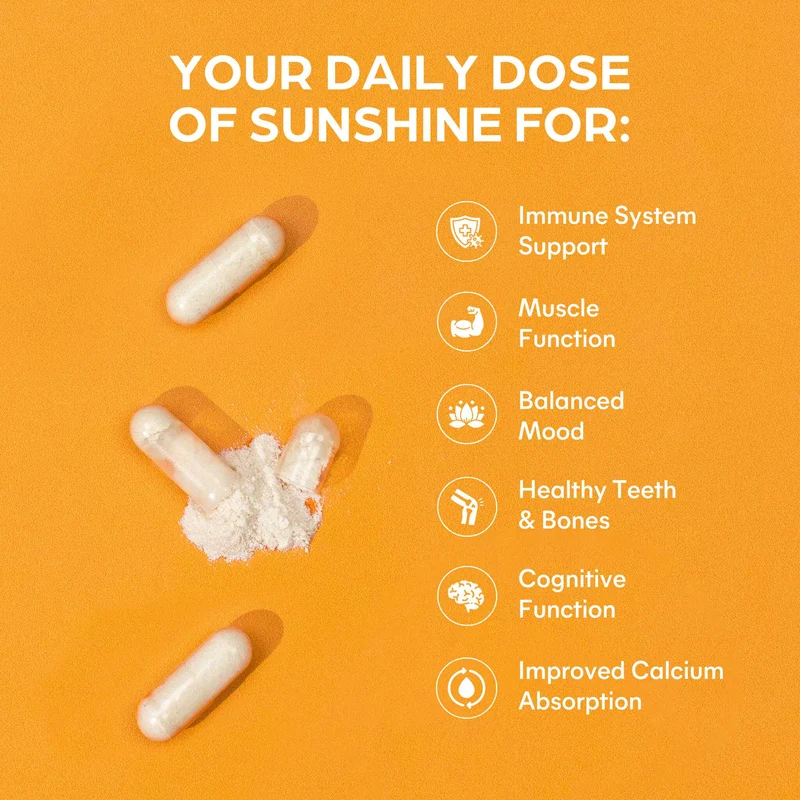
Vitamin D contributes to the normal function of the immune system.
It’s particularly relevant for people living in regions where sunlight exposure can be limited for significant periods of the year.
The amount of vitamin D someone needs can vary according to factors such as age, lifestyle, skin exposure to sunlight, diet and individual circumstances.
That makes vitamin D one of the nutrients worth discussing when you’re thinking about long-term immune support.
Vitamin C
Vitamin C is perhaps one of the best-known nutrients associated with immunity.
It contributes to normal immune system function and also provides antioxidant activity, helping protect cells from oxidative stress.
But there’s an important distinction between supporting normal immune function and claiming that vitamin C can prevent every cold or infection.
It can’t.
The goal is to ensure you’re getting adequate nutrition consistently rather than waiting until you’re already unwell.
Zinc
Zinc contributes to normal immune function and has roles in numerous biological processes.
It’s also involved in normal wound healing, cell division and protection of cells from oxidative stress.
Again, consistency matters.
Rather than waiting for illness before thinking about zinc, it’s more sensible to consider whether your overall diet provides sufficient amounts throughout the year.
Don’t Forget the Gut
One of the biggest developments in our understanding of immune health has been the growing recognition of the gut microbiome.
Your digestive system isn’t simply responsible for processing food.
The gut contains an enormous community of microorganisms that interact with the body in complex ways, while the intestinal barrier plays an important role in immune regulation.
You may have heard the claim that “70% of the immune system is in the gut.”
The reality is more nuanced than that exact statistic suggests, but the underlying message is important:
Gut health and immune health are closely connected.
That means supporting your microbiome should be part of any serious conversation about year-round wellness.
Why I Look at Immunity as a System
This is where I think many supplement routines go wrong.
People look for one magic ingredient.
Vitamin C.
Zinc.
Vitamin D.
A probiotic.
But immune health isn’t dependent on one nutrient.
It’s a system.
That’s why I prefer thinking about several foundations together:
Nutrition + gut health + vitamin D + vitamin C + zinc + sleep + movement + stress management.
No single supplement can replace the rest.
The Purolabs Immunity Range
This is one reason the Purolabs immunity range interests me.
Rather than focusing on one ingredient, the range provides products that address several of the nutritional foundations associated with normal immune function.
The key products include:
Purolabs Vitamin D3 & K2
Vitamin D contributes to normal immune function, while vitamin K contributes to the maintenance of normal bones.
The combination provides a convenient way to incorporate both nutrients into a daily routine.
As with any supplement, the right dosage depends on the individual, and taking excessive amounts of fat-soluble vitamins is not advisable.
Purolabs Biotic Complex
Gut health is another important part of the equation.
Purolabs Biotic Complex contains multiple probiotic strains designed to support the gut microbiome and digestive health.
A healthy and diverse microbiome is an important part of the broader relationship between digestive and immune health.
Vitamin C
Vitamin C contributes to normal immune function and antioxidant protection.
It’s also found naturally in foods such as citrus fruits, berries, peppers, broccoli and leafy green vegetables.
A supplement can be useful where dietary intake isn’t sufficient, but food should remain the foundation.
Zinc
Zinc is another essential mineral involved in normal immune function.
It’s found naturally in foods including meat, shellfish, dairy products, legumes, nuts and seeds.
As with vitamin C and vitamin D, supplementation should complement—not replace—a balanced diet.
Why Consistency Matters More Than Panic
Here’s the biggest change I’d encourage.
Stop thinking about immunity only when you’re getting sick.
Instead, build an immune-supportive lifestyle throughout the year.
You don’t need to make dramatic changes.
Start with small, repeatable habits.
Eat nutrient-dense foods.
Get enough sleep.
Move regularly.
Manage stress.
Look after your gut.
Spend appropriate time outdoors.
And identify nutritional gaps that may benefit from supplementation.
That’s a much more sustainable strategy than rushing to the supplement cupboard every time someone around you sneezes.
The Importance of Sleep for Immune Health
Sleep deserves special attention.
When you don’t sleep well, you’re not simply tired the following day.
Sleep plays an important role in immune regulation, recovery, hormonal balance and overall resilience.
If your sleep is consistently poor, adding another supplement to your routine isn’t necessarily the first answer.
Start with the fundamentals:
- Maintain a regular bedtime
- Reduce screen exposure before sleep
- Limit caffeine later in the day
- Keep your bedroom comfortable and dark
- Develop a calming evening routine
Your immune system needs recovery too.
Nutrition Comes First
Supplements can be useful, but they should never become an excuse for a poor diet.
A strong immune-supportive diet should include a wide variety of nutrient-dense foods.
Think:
- Colourful vegetables
- Fruits
- Whole grains
- Legumes
- Nuts and seeds
- Quality protein
- Healthy fats
- Fermented foods where appropriate
The more diverse your diet, the greater the variety of nutrients and plant compounds you’re likely to consume.
That’s the foundation.
Supplements come afterwards.
What About Customer Experiences?
Purolabs has received positive feedback from customers across its range, including reports relating to seasonal resilience, energy and general wellbeing.
Those experiences are encouraging, but they should be interpreted appropriately.
Customer testimonials are personal experiences, not clinical evidence.
Your response to a supplement may be completely different from someone else’s.
That’s why I always prefer to look at the formulation, ingredients, quality standards and available evidence rather than relying solely on reviews.
Why I Like the Purolabs Approach
There are several things I look for when recommending supplements:
Quality.
Transparency.
Thoughtful formulations.
Appropriate dosing.
Manufacturing standards.
Purolabs is a UK-based supplement company that focuses on premium nutritional formulations and manufactures its products in the UK.
The company also offers a 60-day money-back guarantee, giving customers additional reassurance when trying its products.
For me, that fits into a broader philosophy:
Don’t buy everything.
Buy intentionally.
Understand what you’re taking.
And make supplements part of a healthy lifestyle rather than a replacement for one.
Build Your Immune Foundation Before You Need It
The biggest mistake we make with immune health is waiting for the warning signs.
We wait for the cough.
The sore throat.
The fatigue.
The seasonal illness.
Then we start thinking about what we should have been doing all along.
A better strategy is proactive.
Build your nutritional foundation while you’re well.
Support your gut.
Prioritise sleep.
Eat a diverse diet.
Stay physically active.
Manage stress.
And consider targeted supplementation when appropriate.
That’s how you build a wellness routine designed to support your body before the winter rush begins.
Final Thoughts
Immune health isn’t something you can build overnight.
It’s the result of countless small decisions repeated over time.
Vitamin D.
Vitamin C.
Zinc.
Gut health.
Sleep.
Nutrition.
Movement.
Stress management.
Together, these habits create the foundation for overall health and resilience.
The goal isn’t to make yourself invincible.
That’s impossible.
The goal is to give your body the nutritional and lifestyle support it needs to function normally, all year round.
And that’s why I don’t wait until October to think about immunity.
I think about it now.
Ready to Build Your Immune Health Routine?
If you’re looking for convenient nutritional support for your year-round wellness routine, explore the Purolabs immunity range.
The range includes products featuring key nutrients such as vitamin D, vitamin C and zinc, alongside probiotic support for gut health.
Shop Purolabs with my ambassador link:
Start building your immune-supportive routine today—not because you’re waiting to get sick, but because consistent health habits are worth investing in every season.